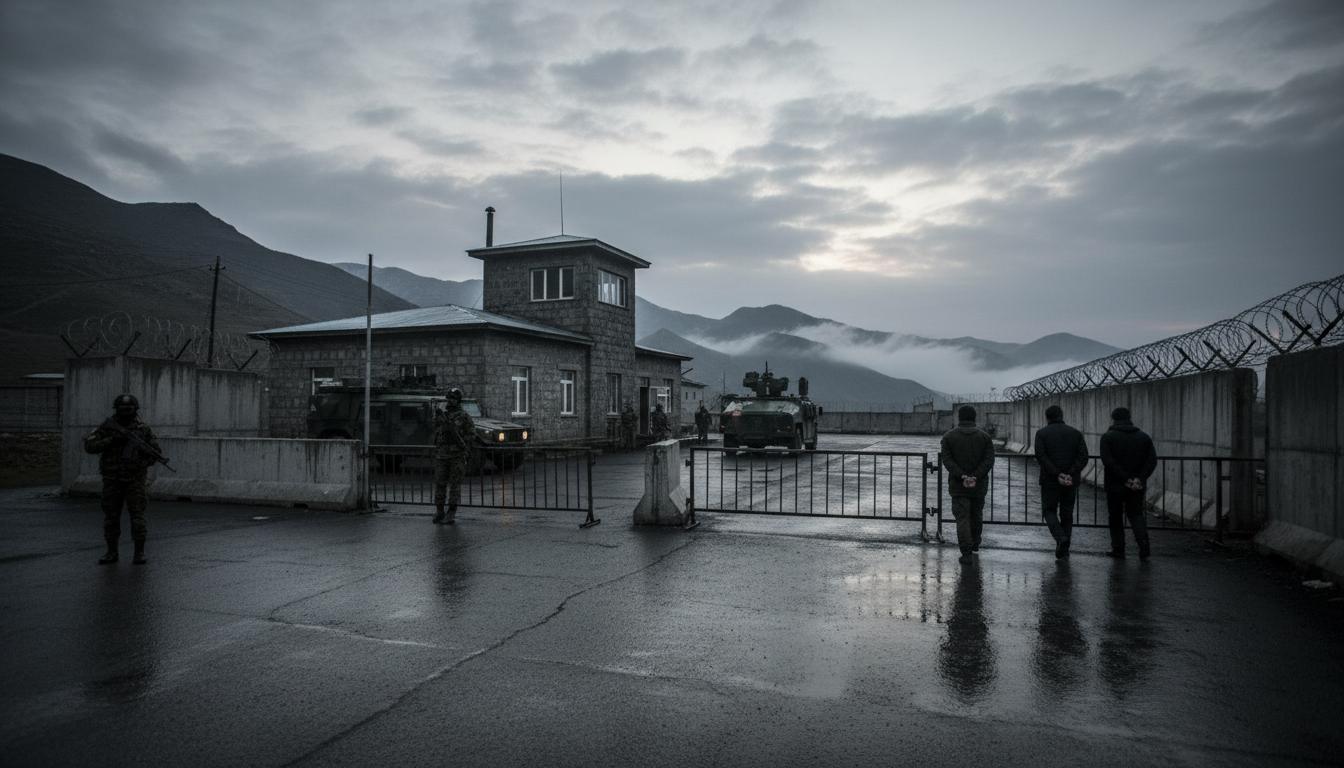
Georgia's State Security Service (SSG) detained two individuals in Batumi, suspected of links to the Islamic State (ISIL). The Counter-Terrorism Centre's operation covered Georgia's Gardabani municipality and Adjara region. One detainee is a foreign national, the other a Georgian citizen, JAMnews reports.
The SSG confirmed its Counter-Terrorism Centre held prior intelligence regarding the suspects, including details of their entry into Georgia and their planned activities. Investigators noted the individuals arrived separately, resided in rented accommodation, and were monitored under court authorisation.
Investigations concluded both detainees were members of the Islamic State group, having sworn allegiance, a "bayat," which was video-recorded and transmitted to the organisation's leadership. The SSG indicated the suspects were prepared to execute directives from ISIL's command structure.
Evidence suggested the suspects intended to depart Georgia for another country, aiming to join active ISIL militants abroad. This indicates Georgia's potential role as a transit or staging point for extremist movements, a recurring concern for regional security bodies.
Law enforcement seized various materials during the investigative actions, including electronic devices, mobile phones, and unregistered SIM cards. Items bearing ISIL symbols, masks, and personal documents were also confiscated, bolstering the case against the individuals.
The investigation proceeds under Article 328 of Georgia's Criminal Code, which addresses joining a foreign state's terrorist organisation and aiding terrorist activities. This offence carries a significant prison sentence, ranging from 10 to 17 years upon conviction.
Separately, an imam in Marneuli, Georgia, publicly criticised the U.S. as the “largest terrorist” and expressed support for Iran’s Ayatollah Ali Khamenei. A sermon in the Kvemo Kartli region further declared Khamenei the “spiritual leader of liberated Muslims,” displaying his portrait.
These ideologically charged statements, though not directly linked to the ISIL detentions, highlight the complex interplay of regional influences and potential for radicalisation within certain Georgian communities. Such rhetoric is monitored by security services, particularly given ongoing geopolitical tensions.