Russian MP Biysultan Khamzaev's recent visit to flood-stricken Dagestan sparked widespread anger, foregrounding complex dynamics between official state representation and informal public philanthropy. His public rebuke of a generous blogger and perceived performative actions severely damaged his standing among locals.
The incident occurred in Mamedkala, Derbent district, days after devastating floods caused by the Gedzhukh Dam breach ravaged the village. Communities faced significant destruction, necessitating rapid and effective relief efforts from all available sources.
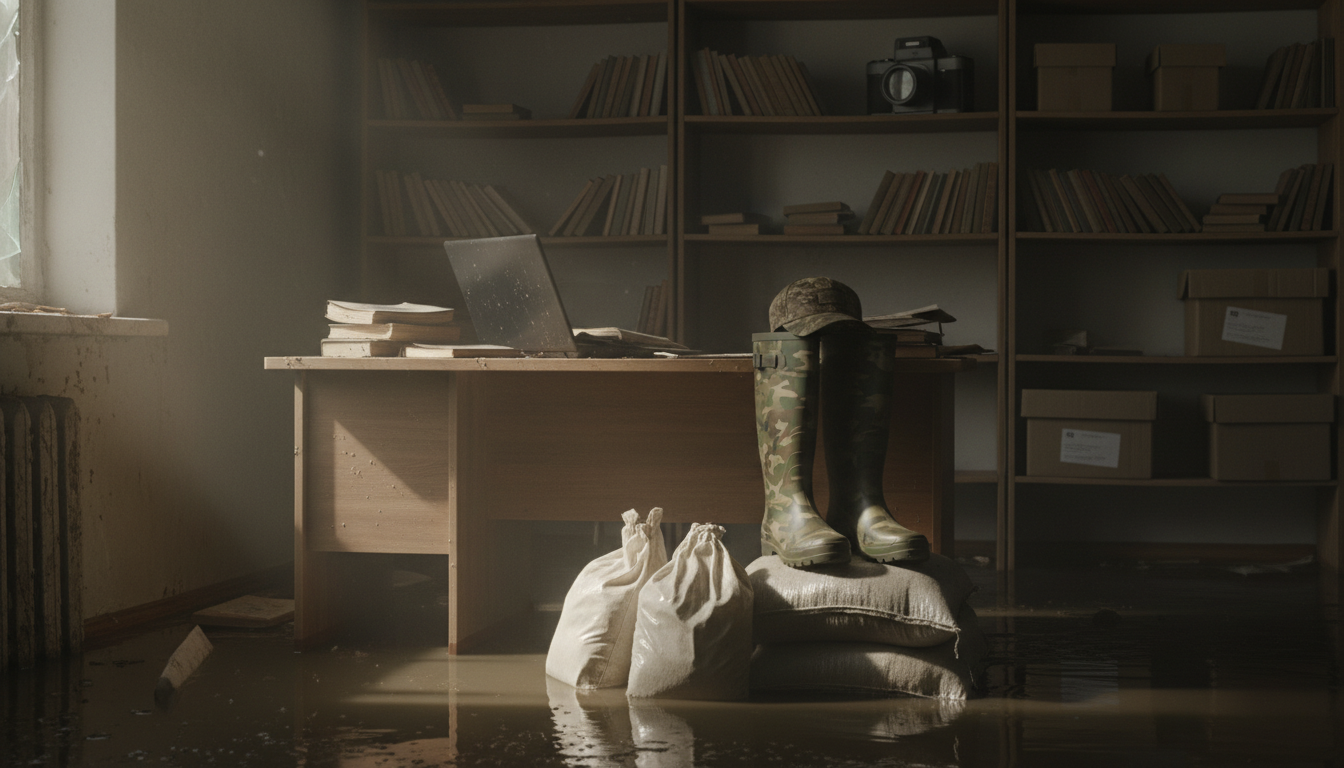
Khamzaev, a United Russia member, arrived wearing a camouflage hat and pristine galoshes, an outfit quickly ridiculed by locals. He was accompanied by personal security and a professional film crew, documenting his every move.
Despite Instagram claims of "more than five hours of walking" and "absolutely targeted assistance," residents told Novaya Gazeta Europe his help was minimal. They reported only a few bags of sand to one household, his clothes remaining spotless throughout his visit.
A pivotal moment arose when Khamzaev publicly confronted blogger Mikhail Litvin, making substantial donations. Without introduction, the MP criticised Litvin’s energy drink brand, asserting, "I don’t want our tragedy to become a trampoline for advertising."
Litvin, with 15 million followers, had already donated ₽2 million to the Tooba platform and ₽500,000 for equipment repairs. His contributions far exceeded the MP's documented assistance, and he later gave a further ₽5 million, demonstrating genuine commitment.
Khamzaev's criticism of energy drinks drew particular attention due to its perceived hypocrisy. Dagestan’s celebrated MMA fighter, Khabib Nurmagomedov, has notably endorsed the Gorilla Energy brand since 2018, a connection Khamzaev has not publicly addressed.
The subsequent public backlash focused less on the visit itself and more on Khamzaev's unwelcoming tone and unsubstantiated accusations. Social media users and residents widely perceived his behaviour as a disregard for Dagestani hospitality norms and an attack on legitimate aid.
Further controversy erupted from a video Khamzaev posted showing himself pulling a kitten from a ditch and dousing it with cold water. Many viewers found the scene staged, prompting rapid AI-generated parodies that mocked his perceived performative activism.
The MP's public stance against bloggers also inadvertently impacted other crucial charity initiatives. Chechen blogger Askhab Tamaev, close to Ramzan Kadyrov, had already arranged apartments for flood victims in Mamedkala, showcasing private sector responsiveness.
Tamaev was in talks for 20 additional apartments, valued at ₽100 million, to be provided in exchange for promotional content. However, Khamzaev's blanket criticism of bloggers using disaster for advertising effectively derailed this significant prospective deal.
This incident highlights a broader tension between state-orchestrated disaster relief and the emergent role of private individuals and social media influencers. While official channels often face bureaucratic hurdles, private actors can mobilise resources with greater agility.
Khamzaev's controversial visit ultimately highlights a significant disconnect between the Russian governing class and public sentiment. It amplified questions about the efficacy and sincerity of official crisis responses, particularly in diverse regions like Dagestan.
Public missteps by United Russia officials risk eroding trust in state institutions across the Federation, particularly in sensitive regions. They inadvertently bolster narratives questioning the sincerity and efficacy of central authorities' engagement with local challenges.