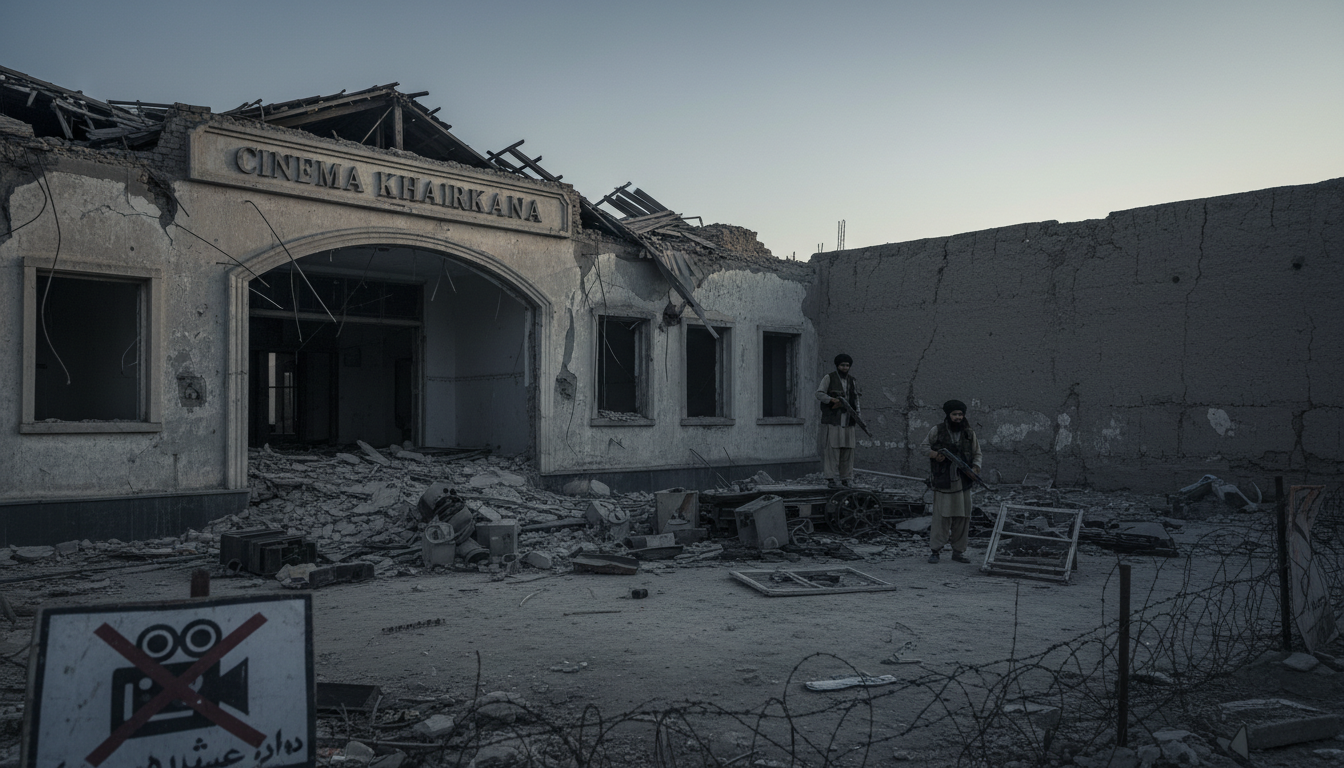
We observe with growing alarm the systematic dismantling of Afghanistan’s cinema industry by the Taliban, a deliberate campaign extending far beyond mere censorship. This isn't simply a matter of restricting artistic expression; it represents a profound ideological re-engineering of national culture and memory, reshaping how Afghans understand their past.
Since August 2021, when they seized control, the group has methodically eradicated films and television series from domestic broadcasters. This initial phase quickly escalated, leading to the outright closure of cinema halls across the country, silencing a vital public space and denying access to shared cultural experiences.
A pivotal early measure, a November 2021 directive from the Ministry for the Propagation of Virtue and Prevention of Vice, mandated the widespread removal of women from media. This policy systematically erased female presence from screens, mirroring their broader societal segregation and enforcing a specific, restrictive worldview.
The suppression swiftly became physical, targeting the very structures that housed Afghan cinematic heritage. Historic venues like Cinema Khairkhana were slated for demolition to make way for commercial developments, while Aryub Cinema was leased out, its distinctive architecture a casualty. The iconic Park Cinema also met a similar fate, erased from the Kabul landscape.
The most devastating blow arrived on May 13, 2025, with the official dissolution of Afghan Film. This single act extinguished the last vestige of formal cinema revival and dismantled the only state institution dedicated to film production, support, and crucial archiving in the nation.
The importance of Afghan Film extended beyond contemporary artistry; it served as a monumental repository of the nation’s visual history. Concerns are now acute among exiled filmmakers that its archive, containing documentaries stretching back to the early 20th century, faces irreversible destruction, thereby erasing decades of political events and cultural life.
Curiously, the Taliban have simultaneously attempted to project an image of cultural custodians, even organising events such as the Did-e Naw film festival. However, these actions are widely perceived by film experts as purely propagandistic, devoid of any genuine shift in their fundamental outlook.
The group has produced its own slate of nine films and one television series over the past four years, notably featuring no women. These productions overtly promote Taliban ideology, valorising their warfare, condemning democratic values, and glorifying acts such as suicide attacks.
Titles like "Bagram Prison," "Kabul Retaining Walls," and "A Working Day of a Police Commander" serve not as artistic creations but as ideological tools, crafting a sanitised narrative of their rule. This starkly contrasts with the diverse, independent cinema they have so aggressively dismantled.
The contradiction is stark: while destroying physical cinemas and eradicating independent cultural institutions, the Taliban co-opts the medium for their own revisionist history. This dual approach aims to both erase alternative narratives and cement their own, unchallenged version of Afghanistan’s past and present.
The systematic silencing of Afghanistan’s cinema is more than a cultural loss; it is an assault on national memory and identity. By controlling the visual narrative, the Taliban seeks to dictate how Afghans understand their history and perceive their future, a chilling precedent for the region.