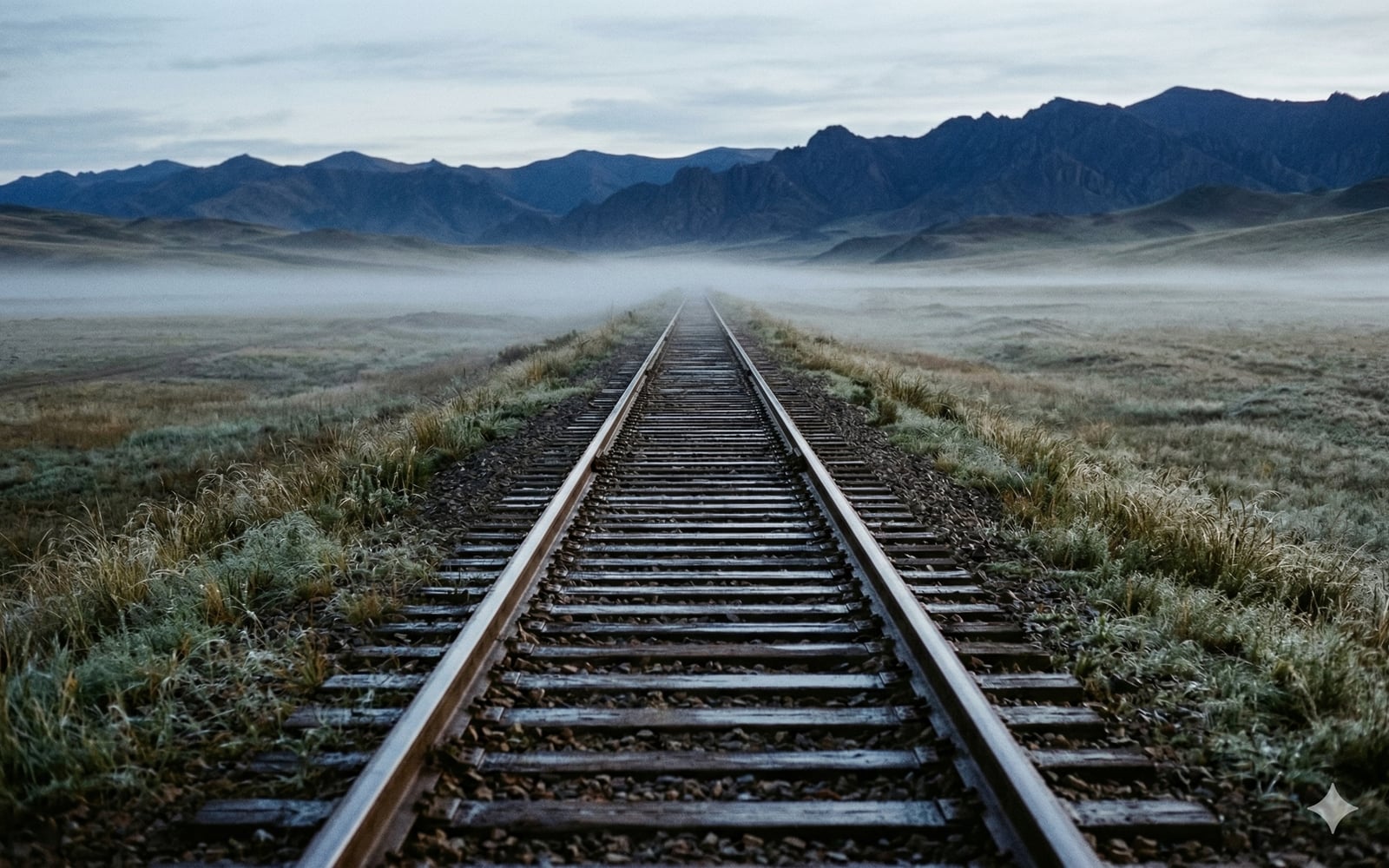
Mongolia’s Ministry of Roads and Transport confirmed last week that exploratory funding talks with the Japan International Cooperation Agency and South Korean infrastructure partners had moved into a feasibility phase. The proposed rail line would extend from the existing trans-Mongolian artery toward the Chinese border at Erlian, bypassing several bottlenecks attributed to Russian Railways’ aging signaling system.
The strategic implications run deeper than logistics. For nearly a century, Mongolia’s rail dependence on Russia has functioned as a soft constraint on its diplomatic latitude. By financing and operating an alternative corridor with Japanese and Korean partners, Ulaanbaatar would gain not just infrastructure but optionality.
Russia’s reaction has been muted, suggesting Moscow understands it has little leverage to object publicly. Beijing, by contrast, is officially neutral but quietly supportive — any improvement in trans-Mongolian throughput benefits Chinese exporters along the corridor.
Construction, if approved, would not begin before late 2027. But the political signal is already in the air.