Bishkek City Hall has proposed a substantial increase in tariffs for water supply and wastewater services, submitting a draft resolution to the City Council. The move, reported by 24.kg, suggests a potential rise of up to 50 percent for consumers in the Kyrgyz capital.
Tariffs for these essential utilities have remained largely unchanged for an extended period, contributing to financial strain on service providers. Analysts note that persistently low utility rates, common across post-Soviet states, often hinder critical infrastructure investment.
City Hall officials reportedly justify the hike by citing rising operational costs, including energy prices and material expenses. The measure aims to enhance Bishkekvodokanal’s financial viability, enabling critical investments in the municipal water utility's ageing infrastructure.
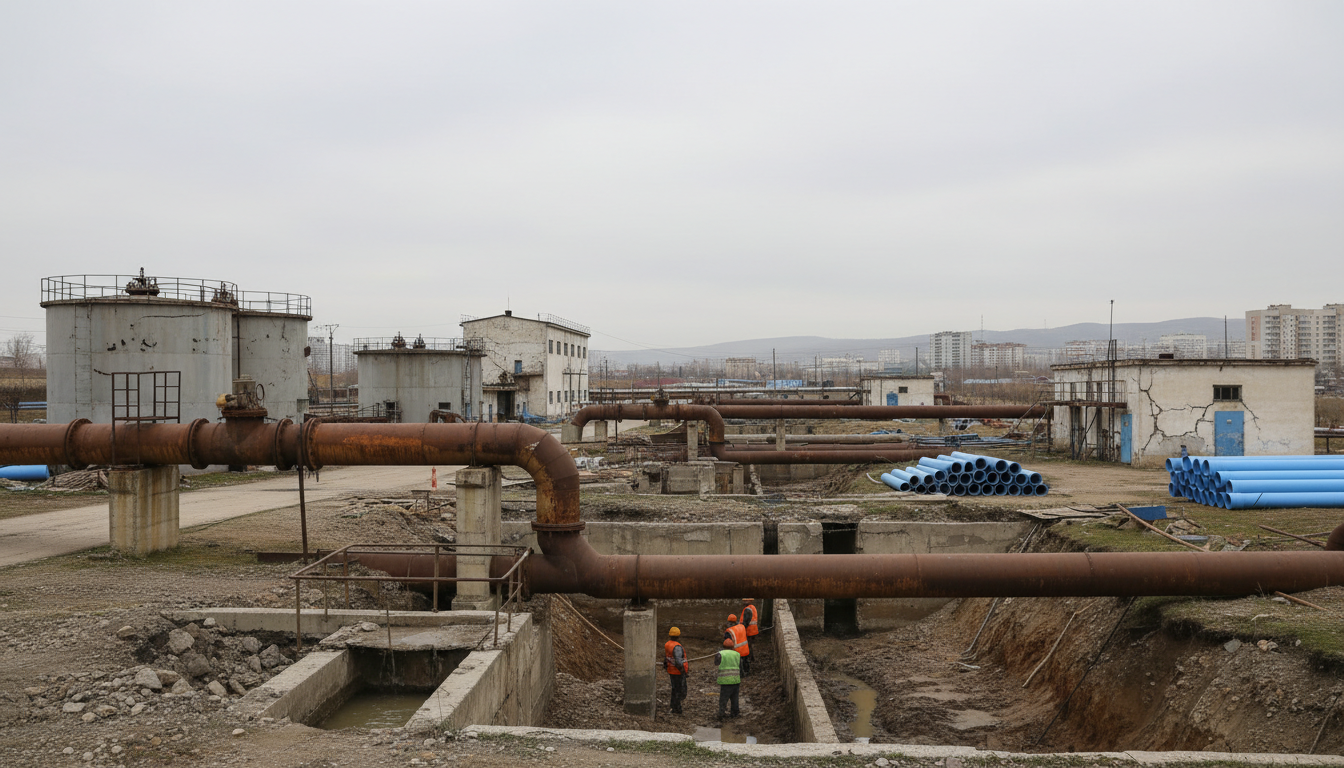
Kyrgyzstan's water infrastructure, common across Central Asian nations, largely dates to the Soviet era and faces substantial wear. Insufficient funding has led to pipeline degradation, water losses, and inconsistent service quality in many urban areas, including Bishkek.
Should the City Council approve the proposal, Bishkek residents would face a notable increase in monthly household expenses. Civil society groups have previously voiced concerns over utility affordability, particularly for low-income families and pensioners.
The draft resolution now awaits consideration by the Bishkek City Council, which holds authority to approve, amend, or reject the adjustments. Discussions are anticipated regarding the social implications and the necessity of such a substantial increment.
This proposed tariff increase reflects a broader regional trend where Central Asian governments face pressure to reform utility sectors. External financial institutions often link development aid and loans to cost-recovery models for public services.
A decision from the Bishkek City Council is expected in the coming weeks, determining the final structure and implementation timeline. The outcome will significantly impact both urban residents and the operational future of the city’s vital water services.