The Taliban’s return in August 2021 brought a chilling pronouncement for Afghanistan’s girls: their education beyond sixth grade was criminalised. This act mirrors a dark dystopia, a deliberate dismantling of social and human rights that has transformed our nation into a stark echo of Margaret Atwood’s “The Handmaid’s Tale.” We, the girls of Afghanistan, find ourselves asking what crime we have committed, simply for being born female.
For girls like Asma, then in the eleventh grade, the news of Ashraf Ghani’s flight and the Taliban’s swift takeover was an immediate nightmare. Dreams of exams, university, and a self-determined future evaporated overnight, replaced by a suffocating despair that has lingered for over three and a half years. This nightmare became a shared reality for millions.
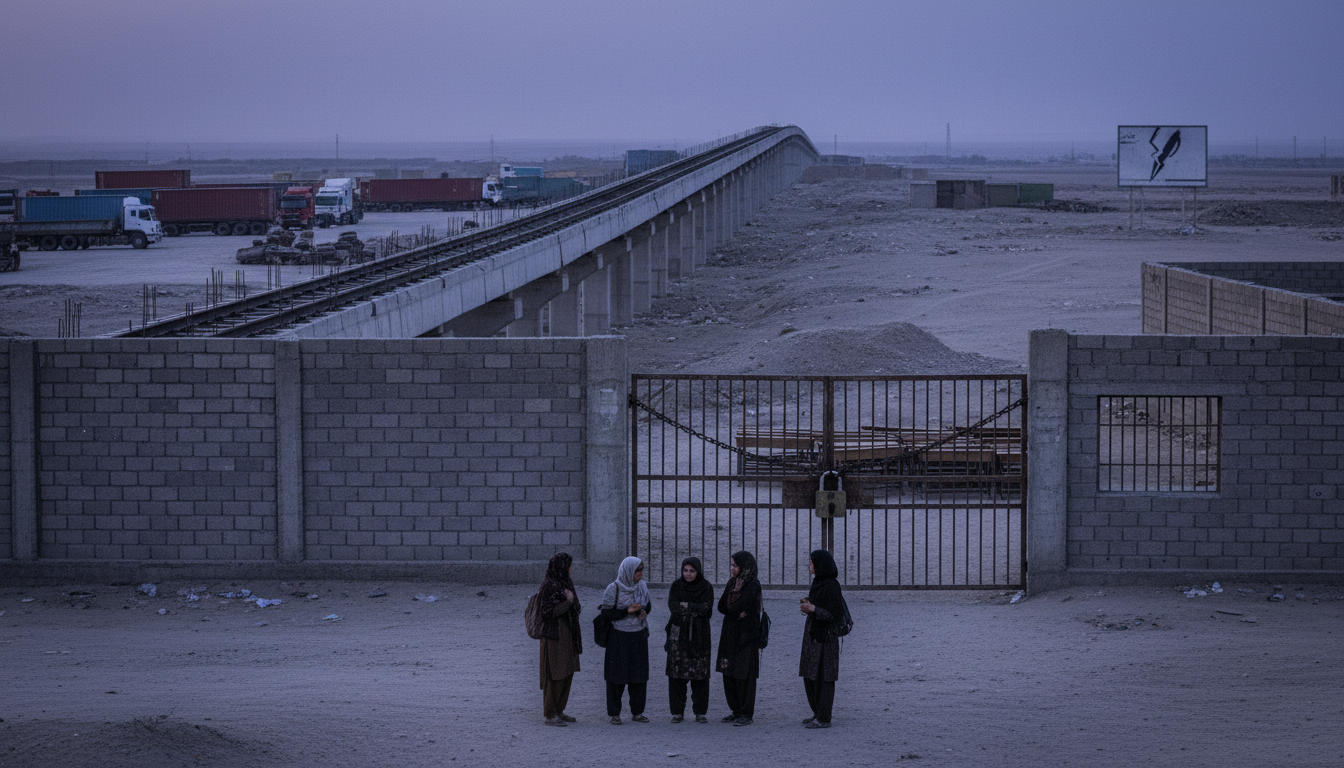
Initial glimmers of hope, when some exams were briefly permitted, swiftly faded. The gates to schools and universities, literal and metaphorical, slammed shut. The longing to return, to glimpse classmates and teachers, or even an old school desk, became a painful, daily ritual for many, each walk home heavy with a lump in the throat.
The persistent question – why are our most basic rights so easily denied, why must we mourn our futures as teenagers – echoed through every encounter. We saw girls in other countries enjoying freedoms we could only dream of, attending universities, visiting libraries, and walking unburdened, while we faced a future stripped bare.
Yet, from this engineered ignorance, a quiet resistance has blossomed. With the unwavering support of families, individuals like Asma found clandestine pathways to knowledge. In Herat, what appeared outwardly to be a secret English language centre became a haven for girls determined to learn, defying the ban in hushed classrooms.
Here, Asma’s dedication shone through. Within a year, she not only mastered English but, at her director’s suggestion, became a teacher herself, guiding girls her own age and younger. This act of both gaining and imparting knowledge became a powerful form of defiance, nourishing intellects in defiance of those who sought to starve them.
Beyond formal lessons, a voracious appetite for reading sustained her. Immersing herself in both Eastern and Western literature – from Oriana Fallaci to Rachel Hollis, from Rumi’s Masnavi to Gombrich’s history – Asma sought understanding. She yearned to comprehend whether other nations had shared Afghanistan’s fate or if we were merely repeating a blind past.
These personal journeys into literature and psychology expanded her world view, proving that even under the most repressive conditions, the human mind yearns for truth and self-improvement. Such intellectual hunger is a profound resource, representing the dormant human capital of a generation the Taliban seeks to suppress.
Crucially, this intellectual resilience translated into tangible action. Asma eventually discovered an online pathway to formal education: the University of the People, a US-based institution. Meeting its requirements, she applied for a Business Administration degree, carving out a legitimate route to higher education despite insurmountable local barriers.
These individual triumphs, born of courage and ingenuity, are more than personal stories; they are a collective statement. They signify an unyielding spirit among Afghanistan’s girls, a profound refusal to surrender their futures to an extremist ideology. Their fight is not just for themselves but for the intellectual future of an entire nation.
To ignore this generation's innovative efforts would be a critical oversight for regional stability and global policy. These tenacious young women, by building their own bridges to knowledge, are shaping the contours of a future Afghanistan the Taliban cannot fully control, representing an enduring potential that deserves our unwavering recognition and support.